Let’s be honest. The words “pasta salad” probably conjure up an image of a mayonnaise-heavy, lukewarm bowl from a distant family BBQ. You know the one—elbow macaroni, cubes of bland cheese, and maybe a single, sad piece of broccoli. I used to think that was the only option, too. My “aha” moment came at a friend’s potluck, where I timidly tried a forkful of something that looked entirely different: a vibrant, crunchy, flavor-explosion of a dish. It was an Asian pasta salad, and it completely rewired my brain about what a cold pasta dish could be.
This wasn’t just a side dish; it was the main event. It had crunch from fresh veggies, a dressing that was both savory and bright, and a satisfying heartiness from the noodles. I begged for the recipe and have spent years since then tweaking and perfecting my own version. This Asian pasta salad is the answer to boring lunches, predictable potluck contributions, and the eternal “what should I make for dinner?” question. It’s incredibly adaptable, make-ahead friendly, and guaranteed to have people asking you for the recipe.
Table of Contents
What Exactly Is Asian Pasta Salad?
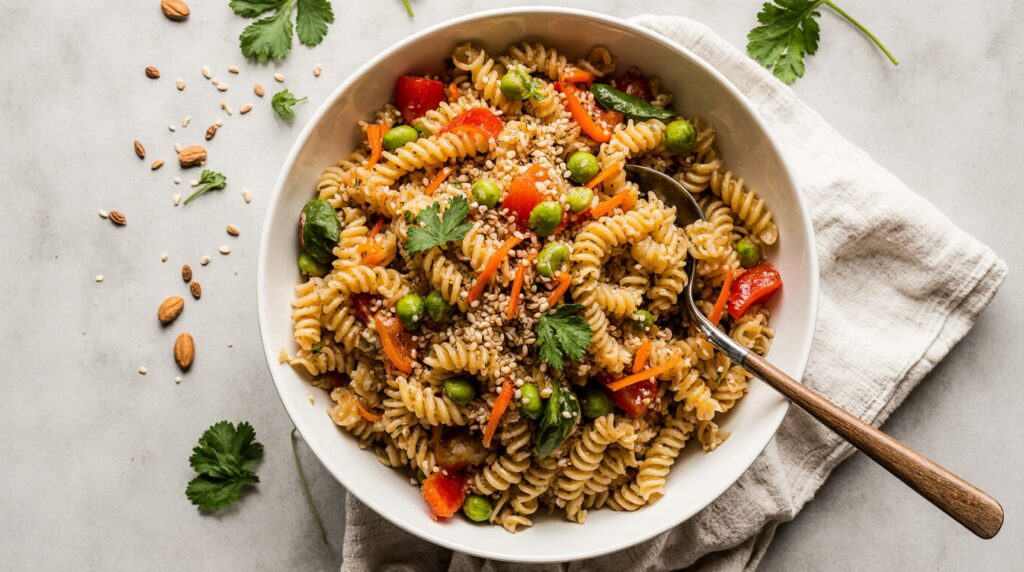
At its core, Asian pasta salad is a beautiful fusion dish. It takes the Western concept of a cold pasta salad and marries it with the vibrant flavors and textures of East and Southeast Asian cuisines. Think of it as a deconstructed, easier-to-serve version of your favorite noodle bowl.
Unlike its creamy, dairy-based cousins, this salad typically features:
- A light, savory-sweet dressing built on soy sauce, sesame oil, rice vinegar, and ginger.
- Crunchy, fresh vegetables like bell peppers, carrots, and edamame.
- Herbs like cilantro and green onion for a fresh finish.
- A satisfying protein like shredded chicken, tofu, or peanuts.
According to food historian Robert Ji-Song Ku, the adaptation of pasta into Asian-American home cooking is a classic example of culinary hybridization, creating accessible and beloved dishes that fit into modern life.
Why This Recipe is a Weeknight Superhero
This Asian pasta salad isn’t just delicious; it’s practical. Here’s why it deserves a permanent spot in your rotation:
- Meal Prep Champion: It tastes even better on days two and three as the flavors meld.
- Endlessly Customizable: Clean out your veggie drawer! Don’t like cilantro? Use basil or mint.
- Crowd-Pleasing: It’s a guaranteed hit at parties and potlucks, offering something different from the usual fare.
- Balanced Meal: Easily add protein to make it a complete, satisfying lunch or dinner.
Deconstructing the Perfect Asian Pasta Salad
A great Asian pasta salad is all about balance. Let’s break down the key components that make it work.
1. The Noodle Foundation
The pasta you choose is crucial. You want something that holds the dressing well and offers a pleasant bite.
- Best Choices: Fusilli, rotini, or farfalle (their nooks trap the dressing). Soba noodles or whole-wheat spaghetti are excellent authentic alternatives.
- Pro Tip: Cook your pasta in well-salted water until al dente (firm to the bite). Immediately rinse it under cold water to stop the cooking process. This prevents a mushy salad. Toss it with a tiny bit of sesame oil to keep it from sticking while it cools.
2. The Vegetable Crunch
This is where color and texture come alive. Aim for a mix of colors and cuts (matchsticks, thin slices, small florets).
- Classic Trio: Red bell pepper, shredded carrots, and shelled edamame.
- Bonus Crunch: Sliced sugar snap peas, thinly sliced cabbage, or water chestnuts.
- Aromatic Alliums: Thinly sliced green onions and red onion (soak red onion in cold water for 10 minutes to mellow its bite).
3. The Flavor Bomb Dressing
This is the soul of the salad. The magic ratio is a balance of salty, sweet, sour, and umami.
- Salty/Umami: Soy sauce or tamari (use tamari for gluten-free).
- Sweet: Honey, maple syrup, or a bit of brown sugar.
- Sour: Unseasoned rice vinegar (it’s milder than other vinegars).
- Richness & Toasty Flavor: Toasted sesame oil. Do not substitute regular sesame oil.
- Aromatics: Freshly grated ginger and garlic.
- Emulsifier: A neutral oil like avocado or grapeseed, or a touch of mayonnaise for creaminess.
4. The Finishing Touches
These elements add the final layer of flavor and texture.
- Herbs: A generous handful of fresh cilantro or Thai basil.
- Crunch: Toasted sesame seeds or chopped roasted peanuts/cashews.
- Protein (Optional): Shredded rotisserie chicken, baked tofu, or cooked shrimp.
The Step-by-Step Recipe: Building Your Masterpiece
This recipe is a template for success. Feel free to adapt based on what you have!
Ingredients:
For the Salad:
- 12 oz (340g) short pasta like fusilli or rotini
- 1 red bell pepper, thinly sliced
- 1 cup shredded carrots
- 1 cup shelled edamame (thawed if frozen)
- 3-4 green onions, thinly sliced
- 1/2 cup chopped fresh cilantro
- 1/3 cup toasted sesame seeds or chopped peanuts
For the Ginger-Sesame Dressing:
- 1/3 cup low-sodium soy sauce or tamari
- 1/4 cup unseasoned rice vinegar
- 2 tablespoons toasted sesame oil
- 2 tablespoons honey or maple syrup
- 2 tablespoons neutral oil (avocado, grapeseed)
- 1 tablespoon fresh ginger, finely grated
- 2 cloves garlic, minced
- 1 teaspoon sriracha or chili-garlic sauce (optional, for heat)
Instructions:
1. Cook & Cool the Pasta.
Bring a large pot of salted water to a boil. Cook the pasta according to package directions until al dente. Drain and rinse immediately under very cold water until completely cool. Shake off excess water and transfer to your largest mixing bowl. Drizzle with 1 tsp of sesame oil and toss to prevent sticking.
2. Whisk the Dressing.
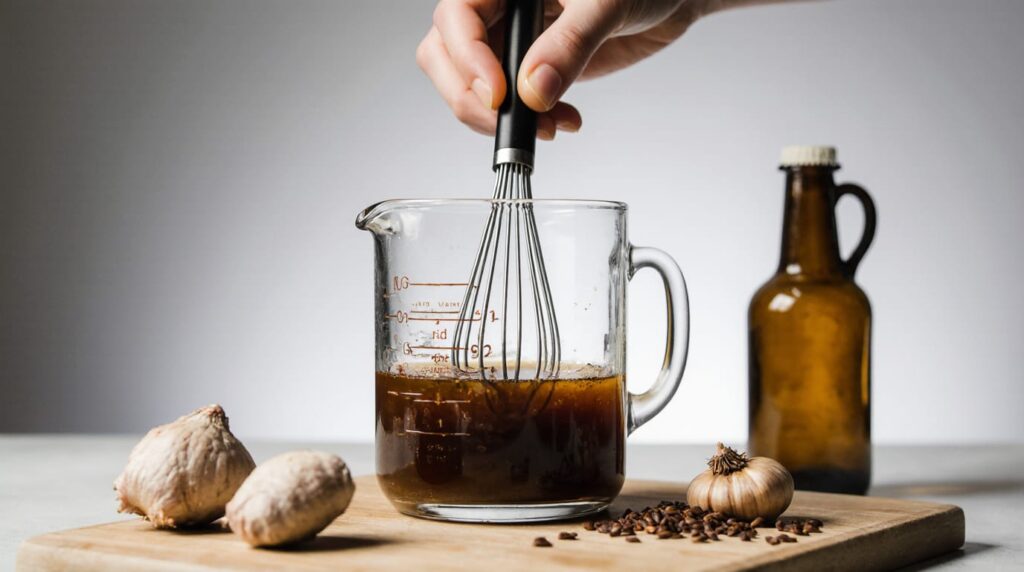
In a medium bowl or jar, combine all dressing ingredients: soy sauce, rice vinegar, toasted sesame oil, honey, neutral oil, grated ginger, minced garlic, and sriracha (if using). Whisk or shake vigorously until the mixture is well emulsified and smooth. Taste and adjust—you might want more honey for sweetness or a splash more vinegar for tang.
3. Chop & Prepare Veggies.
While the pasta cools, prep all your vegetables. The key is to cut them into bite-sized pieces that are easy to eat with a fork. Add the sliced bell pepper, shredded carrots, edamame, and most of the green onions to the bowl with the cooled pasta.
4. Combine & Marinate.
Pour about 3/4 of the dressing over the pasta and vegetables. Using clean hands or two large spoons, toss everything together until evenly coated. This is the best way to ensure every nook gets dressed. Cover and refrigerate for at least 30 minutes, or up to 2 hours. This marinating time allows the pasta to absorb the flavors.
5. Finish and Serve.
Just before serving, give the salad a good stir. It may have soaked up the dressing, so add a bit more of the reserved dressing if it looks dry. Gently fold in the fresh cilantro and half of the sesame seeds or peanuts. Transfer to a serving platter or individual bowls, and garnish with the remaining green onions, herbs, and nuts.
Next-Level Variations & Add-Ins
Don’t stop at the classic! This Asian pasta salad is a perfect canvas.
- Spicy Thai Peanut: Add 1/4 cup of creamy peanut butter to the dressing and use chopped roasted peanuts as garnish.
- Sesame-Ginger Chicken: Fold in 2 cups of shredded cooked chicken for a protein-packed main course.
- Mango & Cucumber: Add 1 cup of diced fresh mango and 1 cup of diced English cucumber for a sweet, refreshing twist.
- Vegetarian “Ramen” Salad: Use crunchy uncooked ramen noodles (crumbled) instead of pasta, and add sunflower seeds and almonds.
Pro Tips for the Best Possible Salad
- Toast Your Sesame Seeds/Nuts: A dry pan over medium heat for 2-3 minutes until fragrant makes a world of difference.
- Grate, Don’t Mince Ginger: Using a microplane grater gives you the most flavor without fibrous bits.
- Reserve Some Garnishes: Add the fresh herbs and half the nuts just before serving to keep them vibrant and crunchy.
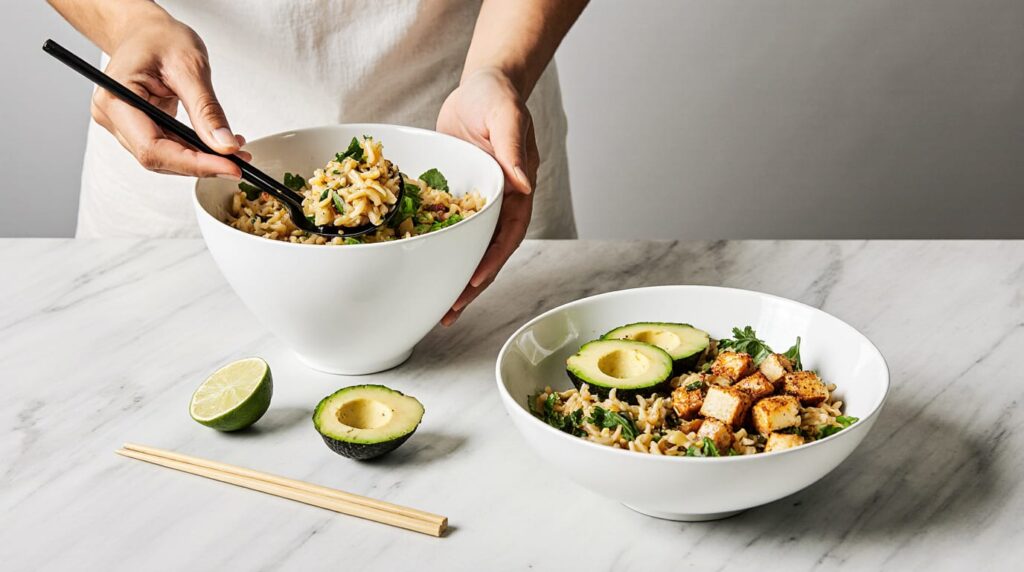
- Make it a Main: For a complete meal, add a protein like easy baked tofu, shredded chicken, or chickpeas.
Storing and Making Ahead
This salad’s make-ahead nature is its superpower.
- Refrigerator: Store in an airtight container for 3-4 days. The flavors will continue to develop.
- Make-Ahead Strategy: Combine the pasta, veggies, and dressing up to a day ahead. Store the fresh herbs, extra nuts, and a bit of extra dressing separately. Combine these final elements 30 minutes before serving.
- Freezing: Not recommended, as the texture of the fresh vegetables will suffer upon thawing.
Frequently Asked Questions (FAQs)
1. Can I make this Asian pasta salad gluten-free?
Absolutely! Use your favorite gluten-free pasta (corn/quinoa blends work well) and ensure your soy sauce is gluten-free by using tamari. Check all other condiment labels.
2. I don’t like cilantro. What can I use instead?
Fresh Thai basil, mint, or even flat-leaf parsley are fantastic substitutes. Each will give a different, but delicious, aromatic profile.
3. Can I use a different type of vinegar?
Rice vinegar is ideal for its mild acidity. In a pinch, you can use apple cider vinegar mixed with a pinch of sugar, but the flavor will be sharper.
4. How can I prevent my pasta salad from drying out in the fridge?
The pasta will absorb the dressing. The solution is to reserve a little extra dressing to stir in before serving, or to make sure the salad is stored in a truly airtight container.
5. What’s the best protein to add?
Shredded rotisserie chicken, diced baked tofu, cooked shrimp, or even canned chickpeas (rinsed and drained) are all excellent choices for turning this into a hearty main dish.
6. Can I use regular sesame oil instead of toasted sesame oil?
No—this is the most common mistake. Toasted sesame oil is dark, intensely flavorful, and used as a seasoning. Regular (light) sesame oil is a neutral cooking oil. Using the wrong one will result in a lack of flavor.
7. Is this salad good for meal prep?
It’s one of the best meal prep recipes out there! Portion it into containers for easy grab-and-go lunches throughout the week. Just note that the noodles will continue to soften over time.
The Final Verdict: More Than Just a Salad
This Asian pasta salad is more than a recipe; it’s a versatile formula for creating something delicious, nutritious, and exciting with minimal fuss. It bridges the gap between comforting pasta and the bright, lively flavors so many of us crave. Once you’ve made it your own, it will become a reliable friend for busy nights, sunny picnics, and every potluck invitation in between.
So, grab your biggest bowl and start experimenting. Your new signature dish is waiting to be discovered.
I’d love to hear how your creation turns out! What variations did you try? Did you discover a new favorite add-in? Share your experiences, photos, or questions in the comments below. Let’s build a community of Asian pasta salad enthusiasts!