The Quest for the Perfect Chewy Bite
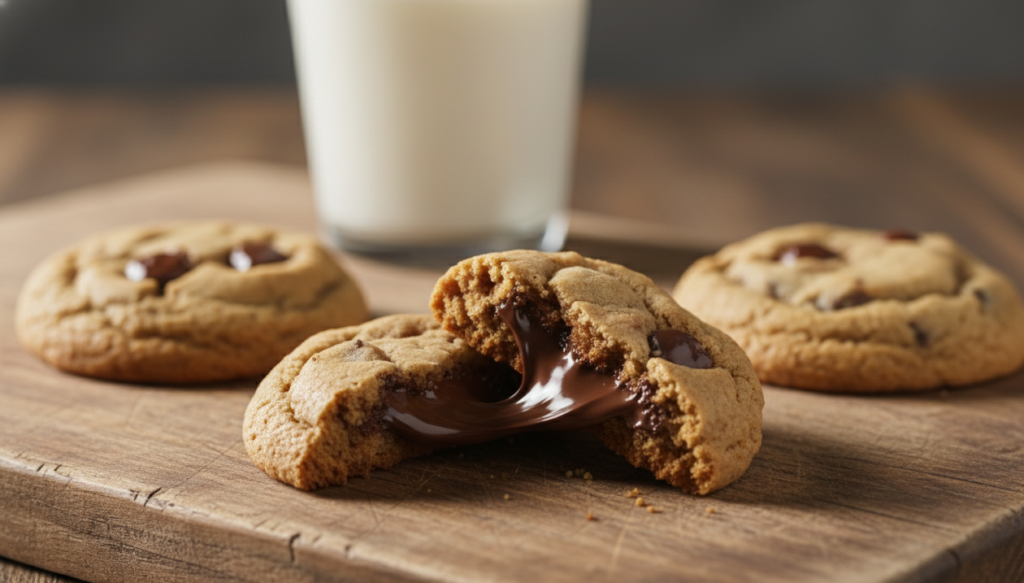
We’ve all been there. You follow a chocolate chip cookie recipe to the letter, watching eagerly as the oven light reveals… disappointment. Flat, crunchy disks or cakey puffs that bear little resemblance to the thick, chewy chocolate chip cookies of your dreams. That perfect cookie—the one with a slightly crisp edge giving way to a soft, bendable center, pockets of molten chocolate, and that distinctively rich, buttery flavor—can feel elusive.
But here’s the truth I’ve learned after countless batches (and happy taste-testers): that perfect chew isn’t magic. It’s science. And once you understand a few simple, non-negotiable rules, you can become the person famous for their chewy chocolate chip cookies. Whether you’re a first-time baker or someone who’s had a few kitchen misfires, this guide is your friendly blueprint. Let’s ditch the guesswork and bake a batch that will make everyone ask for your secret.
Table of Contents
The Sweet Science of Chew: Why Your Ingredients Matter
You can’t build a sturdy house with flimsy materials, and you can’t create a chewy cookie without understanding the role each ingredient plays. Let’s break down your kitchen lineup.
The Flour Power Dynamic
All-purpose flour is your best friend here. Its medium protein content (around 10-12%) provides just enough structure without making the cookie tough. Bread flour has too much protein, leading to excessive gluten development and a tougher chew. Cake flour has too little, resulting in a crumbly texture. Stick with the standard—it’s perfect for achieving that ideal chewy cookie texture.
The Fat Factor: Butter vs. Alternatives
Butter is non-negotiable for flavor, but its state is crucial for texture.
- Melted Butter: This is the secret weapon for chewy cookies. Melting the butter before mixing hydrates the flour more thoroughly, encouraging the formation of gluten (which gives chew) and creating a denser, richer dough. It also allows for more moisture to evaporate during baking, leading to a better caramelized edge.
- Cold/Creamed Butter: This method incorporates more air, leading to a cakier, lighter texture—great for some cookies, but not our chewy goal today.
Sweeteners: The Dynamic Duo
Using two types of sugar is a classic baker’s trick for a reason.
- Brown Sugar (The Chew Maker): This is your MVP. Its molasses content is hygroscopic, meaning it attracts and retains moisture. More moisture in the baked cookie equals more chew. It also contributes to a richer flavor and a softer texture.
- White Granulated Sugar (The Spread & Crisp Maker): This sugar helps the cookie spread and contributes to those delightfully crisp edges. The balance between brown and white sugar is key for the perfect chewy and soft cookie.
The Chocolate Chip Commandments
Use high-quality chocolate chips or chopped chocolate bars. The better the chocolate, the better the cookie. I prefer a mix of semi-sweet and dark chocolate for a balanced, not-too-sweet flavor. And don’t skimp—fold in an extra handful for those glorious, gooey pockets.
Your Foolproof Recipe for Ultimate Chewy Chocolate Chip Cookies
This recipe is engineered for chew. Trust the process!
Yield: 16 large cookies
Prep Time: 15 minutes (plus 1+ hour chilling)
Cook Time: 12-14 minutes
Ingredients
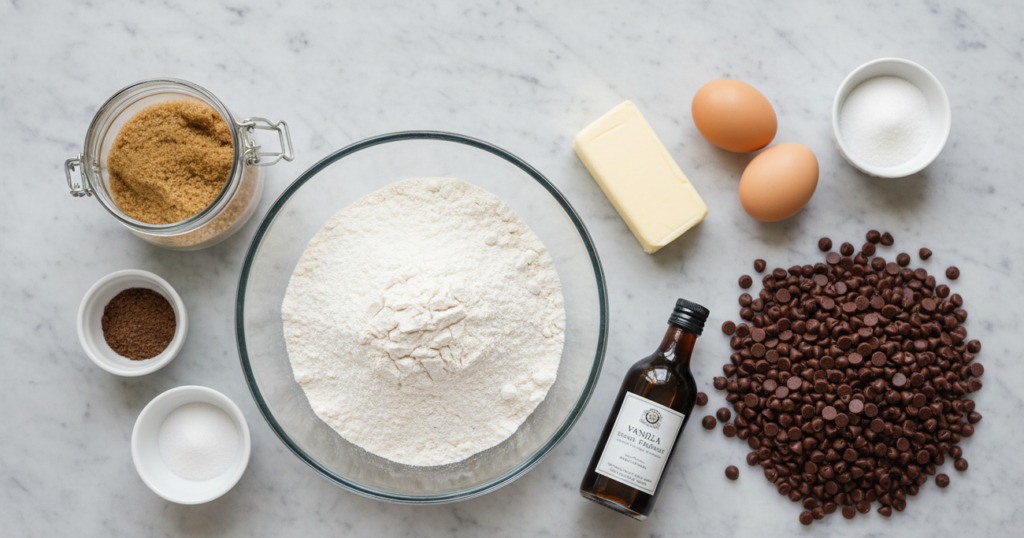
- 2 ¼ cups (280g) all-purpose flour, spooned and leveled
- 1 tsp baking soda
- 1 ½ tsp cornstarch (The secret stabilizer!)
- ¾ tsp fine sea salt
- ¾ cup (170g) unsalted butter, melted and slightly cooled
- 1 cup (200g) packed light brown sugar
- ½ cup (100g) granulated white sugar
- 2 large eggs, at room temperature
- 2 tsp pure vanilla extract
- 2 cups (340g) semi-sweet chocolate chips or chunks
- Flaky sea salt for sprinkling (optional, but highly recommended)
Step-by-Step Method: Where the Magic Happens
1. The Dry Team: In a medium bowl, whisk together the flour, baking soda, cornstarch, and sea salt. The cornstarch is a quiet hero—it softens the proteins in the flour, ensuring a tender, thick, and chewy result.
2. The Wet Waltz: In a large bowl, whisk the melted butter, brown sugar, and granulated sugar together for a full minute. It will look gritty and wet. Add the eggs one at a time, whisking well after each until combined. Stir in the vanilla.
3. The Union: Gently fold the dry ingredients into the wet mixture using a spatula. Mix just until the last bits of flour disappear. Do not overmix. Overworking the dough at this stage develops too much gluten and leads to tough cookies.
4. The Chocolate Fold-In: Now, fold in the chocolate chips until they’re evenly distributed. The dough will be soft and greasy—this is perfect.
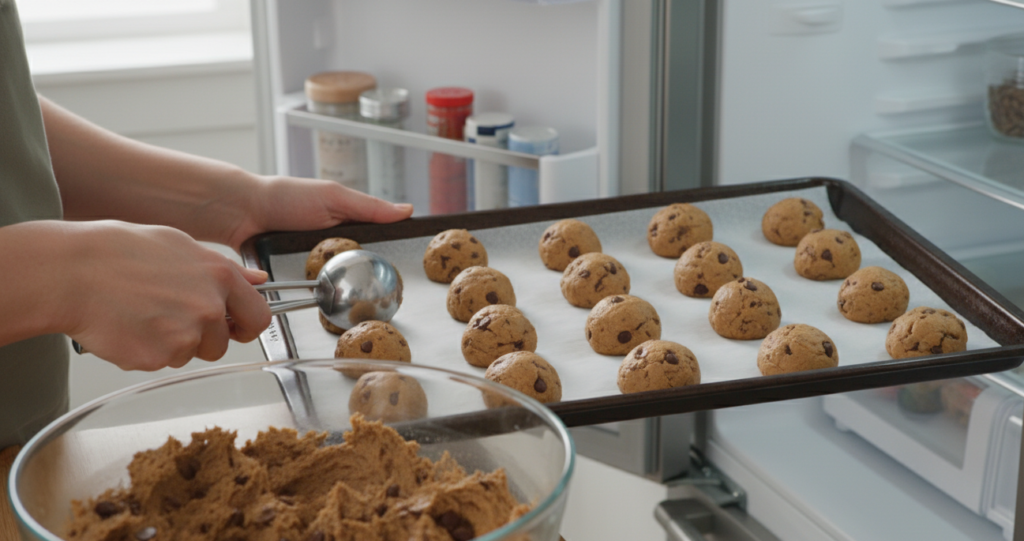
5. The Non-Negotiable Chill: Cover the bowl and refrigerate the dough for at least 1 hour, or ideally up to 48 hours. This step is critical for chewy chocolate chip cookies. It allows the flour to fully hydrate, solidifies the butter, and deepens the flavors. Chilled dough also spreads less, giving you that thick, soft-centered cookie.
6. Bake to Perfection: Preheat your oven to 350°F (175°C). Line baking sheets with parchment paper. Scoop dough into 3-tablespoon-sized balls (an ice cream scoop is perfect) and place them 3 inches apart on the sheets. Bake for 12-14 minutes. They’re done when the edges are set and golden but the centers still look puffy and underbaked.
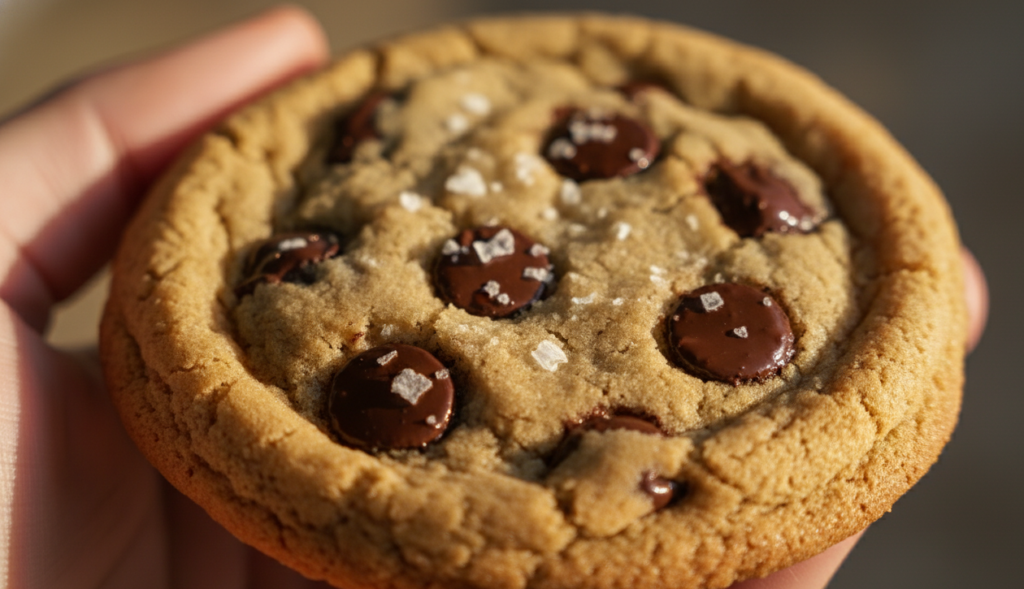
7. The Finale: As soon as you pull them out, bang the baking sheet on the counter once to deflate them slightly (this creates those nice wrinkles). Sprinkle with flaky salt if using. Let the cookies cool on the sheet for 10 minutes—they will continue to set—before transferring them to a wire rack.
Pro Baker Troubleshooting: Fixing Common Cookie Catastrophes
Even with a great recipe, ovens and environments vary. Here’s how to course-correct:
- Problem: My cookies spread into thin, flat crisps.
- Solution: Your dough was too warm. Ensure you chill it sufficiently. Also, check your baking soda isn’t expired. Always bake on room-temperature pans, not hot ones.
- Problem: My cookies are cakey and puffy.
- Solution: You likely used too much flour (did you scoop directly from the bag? That packs it in!) or overmixed the dough after adding the flour. Always spoon flour into your measuring cup and level it off.
- Problem: The bottoms are burning.
- Solution: Your oven rack is too low, or your baking sheet is too dark. Use a light-colored aluminum sheet and bake in the center of the oven. Parchment paper is also a great insulator.
FAQs: Your Chewy Cookie Questions, Answered
Q1: Can I make the dough ahead of time?
Absolutely! In fact, I recommend it. Chilling the dough for 24-48 hours allows the flavors to meld spectacularly, resulting in a more complex-tasting cookie. You can keep the dough, covered, in the fridge for up to 3 days, or portion and freeze the balls for up to 3 months. Bake frozen dough for an extra minute or two.
Q2: Why is my cookie chewy on day one but hard on day two?
This is almost always a storage issue. The enemy of a chewy chocolate chip cookie is air exposure. Once completely cool, store them in an airtight container at room temperature with a single piece of bread tossed in. The cookies will absorb moisture from the bread, staying soft for days!
Q3: Can I use shortening instead of butter for a chewier cookie?
While shortening can create a softer texture that feels chewier, it lacks flavor. Butter is superior for taste and, when used correctly (melted!), provides the ideal chew. I don’t recommend substituting it.
Q4: What’s the purpose of the cornstarch?
Cornstarch is a gentle tenderizer. It inhibits gluten formation, ensuring your cookies stay soft and thick rather than becoming tough. It’s a small ingredient that makes a big difference in your chewy cookie recipe.
Q5: My oven doesn’t have a true 350°F setting. How do I adjust?
Invest in an inexpensive oven thermometer—it’s a game-changer. If your oven runs hot, your cookies will brown too quickly on the outside while staying raw inside. If it runs cold, they’ll spread too much. Knowing your oven’s true temperature is the first step to consistent baking.
Conclusion: Your Kitchen, Your Legendary Cookies
Baking the perfect chewy chocolate chip cookie is a rewarding journey of understanding how simple ingredients interact. Remember the pillars: melted butter for richness, more brown sugar for moisture, a proper chill for control, and a trust in the underbake.
Now, it’s your turn. Preheat that oven, melt that butter, and embrace the process. The reward—a warm, chewy, chocolate-filled masterpiece with your name on it—is more than worth it.
try our Decadent Caramel Pecan Clusters
I’d love to hear how your cookies turn out! Did you try the 48-hour chill? What’s your favorite chocolate chip blend? Share your results, photos, or questions in the comments below. And if this guide helped you conquer the chewy cookie, pass it on to a fellow baker who needs the secret!