I’ll never forget the first time I tried to make Korean beef at home. I had just returned from an amazing trip to Seoul, craving those incredible flavors I’d experienced at street food stalls. My attempt was… well, let’s call it “experimental.” I threw together soy sauce, some random spices, and hoped for the best. What I got was tough, overly salty beef that bore zero resemblance to the tender, sweet-savory magic of proper bulgogi. It was a humbling moment that sent me on a mission to crack the code.
After learning from Korean home cooks and testing countless variations, I discovered the secret isn’t complicated ingredients—it’s about understanding a few key techniques and flavor balances. This Korean beef recipe will give you restaurant-quality results that will have your family thinking you’ve been secretly taking cooking classes.
Table of Contents
Why This Korean Beef Recipe Will Become Your Weeknight Hero
Before we dive into the cooking, let’s talk about what makes this Korean beef recipe so special. Unlike many Asian dishes that require countless ingredients, this one uses accessible components to create authentic, complex flavors.
What makes this recipe work so well:
- Quick marinade that packs maximum flavor
- Simple technique that guarantees tender beef
- Pantry-friendly ingredients with one or two special additions
- Versatile serving options from rice bowls to lettuce wraps
- Meal prep perfection that tastes even better the next day
According to the Korean Food Foundation, the balance of sweet, salty, and savory flavors is key to authentic Korean cooking—and that’s exactly what this Korean beef recipe delivers.
The Science Behind Tender Korean Beef
Through my kitchen experiments (and yes, more tough beef than I’d like to admit), I learned that tenderness comes down to two key factors: the cut of meat and the marinade chemistry.
The tenderness formula:
- Thin slicing: Against the grain to shorten muscle fibers
- Marinade magic: Natural tenderizers like pear and soy sauce
- Quick cooking: High heat for minimal time
- Proper resting: Allowing juices to redistribute
Gathering Your Ingredients: The Flavor Foundation
The beauty of this Korean beef recipe lies in its simple ingredients that create complex flavors. Don’t be intimidated by the Asian ingredients—most are now available in regular supermarkets.
The Protein:
- 1.5 lbs ribeye or sirloin steak, thinly sliced
- Budget tip: Flank steak works beautifully too!
The Marinade Magic:
- ½ cup soy sauce (use reduced-sodium if sensitive to salt)
- 3 tablespoons brown sugar
- 2 tablespoons sesame oil
- 4 garlic cloves, minced
- 1 tablespoon freshly grated ginger
- 2 tablespoons rice wine or mirin
- 1 Asian pear, grated (or 2 tablespoons apple sauce)
- 1 tablespoon gochujang (Korean chili paste) – optional for heat
- 1 teaspoon black pepper
For Cooking & Garnish:
- 2 tablespoons vegetable oil
- 4 green onions, sliced
- 2 teaspoons sesame seeds
- Steamed rice for serving
Your Step-by-Step Korean Beef Masterpiece
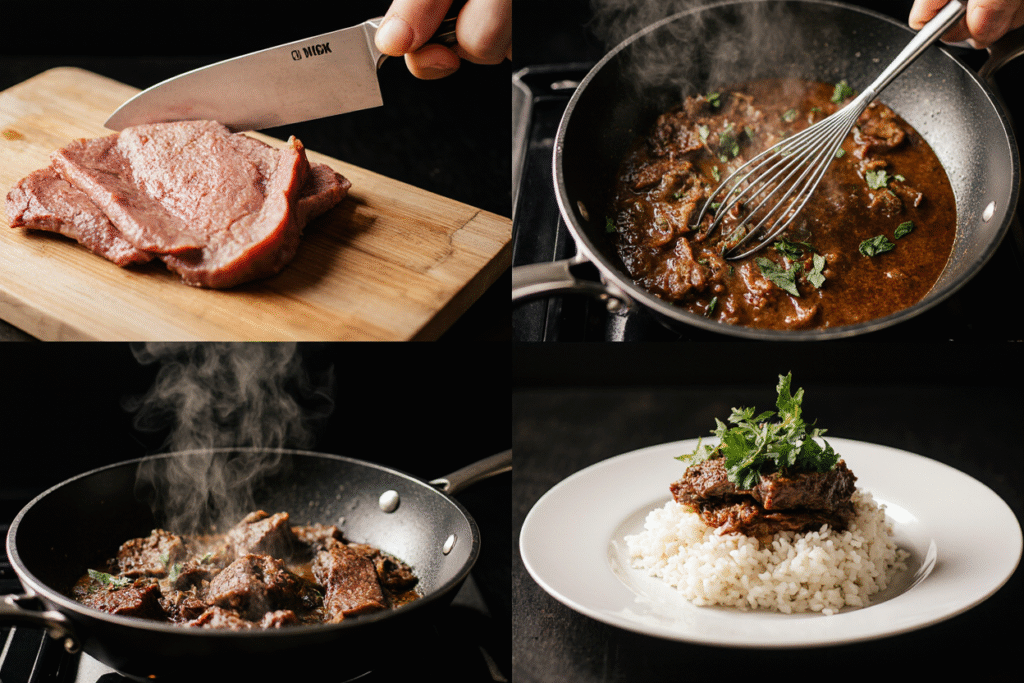
Step 1: The Perfect Slice
Place your steak in the freezer for 20-30 minutes until firm but not frozen solid. This makes slicing much easier. Using a sharp knife, slice the beef against the grain into ¼-inch thick pieces.
Why this matters: Slicing against the grain shortens the muscle fibers, ensuring each bite is tender rather than chewy.
Step 2: The Flavor Transformation
In a medium bowl, whisk together all marinade ingredients until the sugar dissolves. Add the sliced beef and toss to coat thoroughly. Let it marinate for at least 15 minutes at room temperature, or up to 2 hours in the refrigerator.
Time-saving tip: While the beef marinates, you can prepare your rice and chop garnishes. The active time is minimal!
Step 3: The Quick Sizzle
Heat a large skillet or wok over high heat until very hot. Add vegetable oil, then the marinated beef in a single layer—you may need to cook in batches to avoid steaming. Cook for 2-3 minutes per side until beautifully browned and caramelized.
Don’t overcrowd: This is crucial for getting that nice sear instead of boiling the beef in its juices.
Step 4: The Final Touch
Return all beef to the skillet, add half the green onions, and toss to combine. Serve immediately over steamed rice, garnished with remaining green onions and sesame seeds.
The Secret Ingredients Explained
Understanding why each component matters will help you master this Korean beef recipe and create your own variations:
The tenderizer: Asian pear contains enzymes that naturally break down proteins. No pear? Apple sauce works surprisingly well!
The umami base: Soy sauce provides saltiness and depth, while sesame oil adds nutty richness.
The sweetness: Brown sugar caramelizes beautifully and balances the saltiness.
The aromatics: Fresh ginger and garlic are non-negotiable for authentic flavor.
Pro Tips for Korean Beef Perfection
- Freeze for easy slicing: Partially frozen meat is much easier to slice thinly
- Don’t skip the pear: It’s the secret to authentic tenderness
- High heat is essential: You want sizzle, not simmer
- Batch cooking: Crowding the pan creates steamed beef
- Make extra: This Korean beef recipe makes amazing leftovers
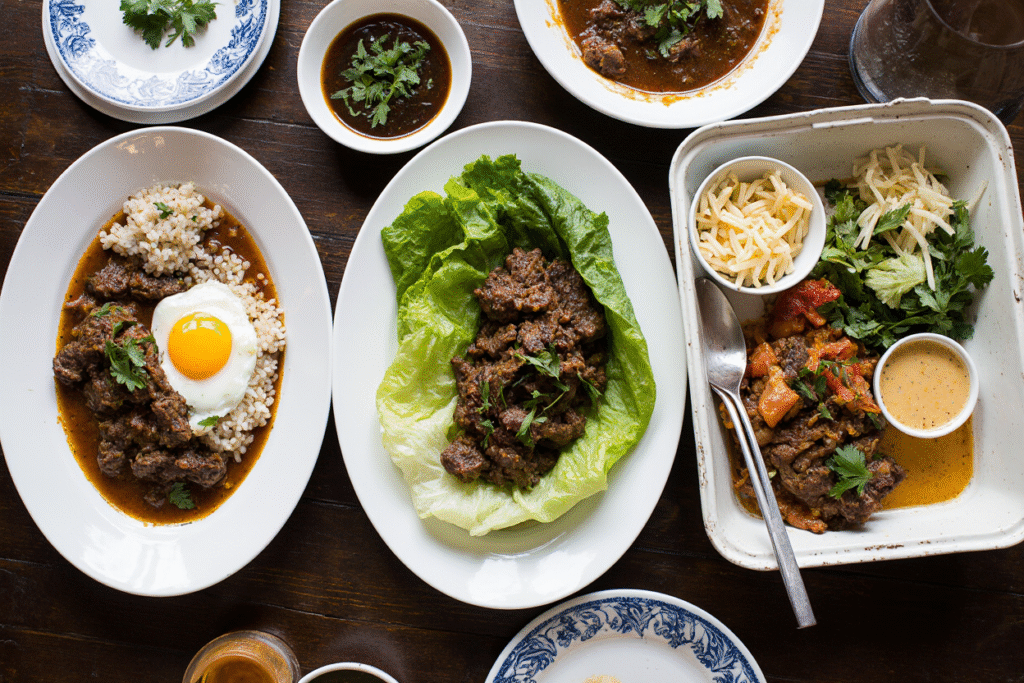
Serving Suggestions Beyond the Basic Bowl
Your delicious Korean beef recipe deserves creative presentations:
The Classic Rice Bowl:
- Steamed short-grain rice
- Kimchi on the side
- Fried egg on top
- Quick-pickled cucumbers
Lettuce Wrap Style:
- Butter lettuce cups
- Sliced carrots and cucumbers
- Extra gochujang for dipping
- Toasted sesame seeds
The Lunch Box:
- Separate rice and beef
- Vegetable sides
- Extra sauce for drizzling
- Perfect for next-day meals
Troubleshooting Common Korean Beef Issues
“My beef is tough!”
- You might have sliced with the grain instead of against it
- The pan might not have been hot enough for proper searing
“The flavor is too salty!”
- Use reduced-sodium soy sauce next time
- Add a teaspoon of rice vinegar to balance
“It’s not caramelizing!”
- Make sure your pan is properly preheated
- Don’t move the beef too much—let it sear
“Too spicy!”
- Reduce or omit the gochujang
- Add a tablespoon of honey to sweeten
Frequently Asked Questions
1. Can I make this Korean beef recipe with ground beef?
Absolutely! Brown the ground beef first, then add the sauce and simmer until thickened.
2. What if I can’t find gochujang?
Sriracha or sambal oelek mixed with a little miso paste makes a decent substitute.
3. How long does leftover Korean beef keep?
Store in an airtight container for 3-4 days. It makes amazing fried rice!
4. Can I freeze this dish?
Yes! Freeze before or after cooking for up to 3 months.
5. Is this recipe gluten-free?
Use tamari instead of soy sauce and ensure your gochujang is gluten-free.
6. What’s the best rice to serve with Korean beef?
Short-grain white rice is traditional, but brown rice or quinoa work well too.
7. Can I make this in a slow cooker?
Yes! Cook on low for 4-6 hours, though the texture will be different from quick-seared beef.
Your Korean Kitchen Adventure Starts Now
Look at that—you’re now equipped to create incredible Korean beef recipe magic in your own kitchen. No more mysterious takeout containers or disappointing homemade attempts. You understand the techniques, the flavor balance, and the simple secrets that make this dish so special.
The journey to perfect Korean beef recipe mastery is one of simple discoveries and delicious rewards. Once you experience the joy of creating these authentic flavors yourself, you’ll understand why this dish has become a global favorite.
So grab that skillet, slice that beef, and get ready for a flavor experience that will make you feel like a Korean cooking pro. Your taste buds are in for quite the adventure!
I’m excited to hear about your Korean beef journey! What variations did you try? Any brilliant serving ideas you discovered? Share your experiences and photos in the comments below—we’re building a community of Korean food lovers!
chek more recipes here!!