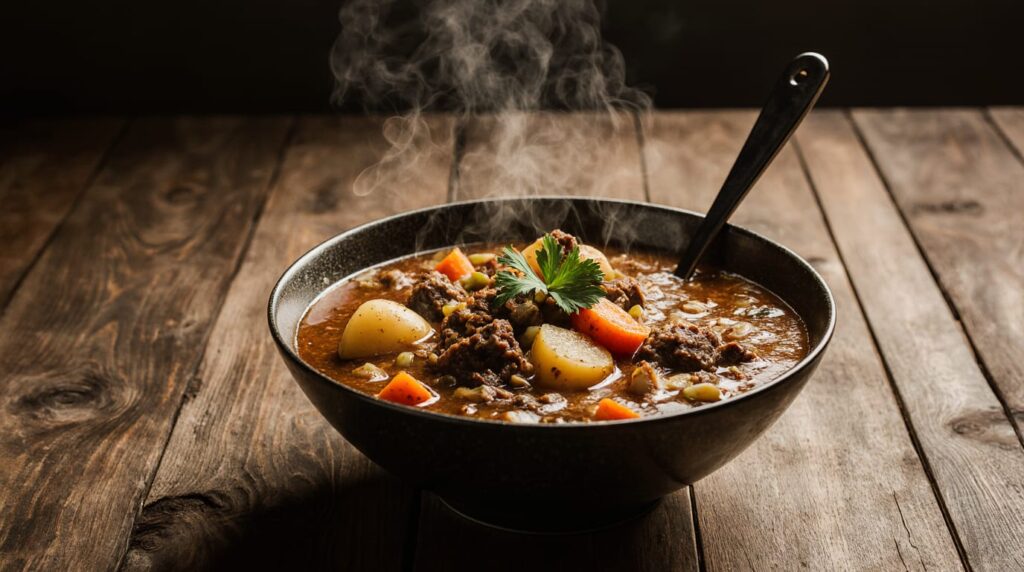
Remember that feeling? You come in from the cold, your nose is a little numb, and you just need something to really warm you up from the inside out. Not just a quick bite, but a meal that feels like a hug in a bowl. For years, my go-to was opening a can of soup that always promised more than it delivered—watery broth, rubbery meat, and vegetables that tasted like, well, the can.
Then, one particularly blustery afternoon, I decided enough was enough. I was going to learn how to make a vegetable beef soup recipe from scratch. My first attempt wasn’t bad, but it wasn’t great. The beef was tough. The potatoes were mush. The broth was… bland. It was through a decade of tweaking, learning from butchers and grandmothers alike, that I finally cracked the code.
This vegetable beef soup recipe is the result of all that delicious trial and error. It’s not just a list of ingredients; it’s a guide to creating a pot of soul-warming, house-filling-aroma magic that is deceptively simple. Whether you’re a total kitchen newbie or a seasoned cook looking for a reliable classic, this soup is about to become your cold-weather security blanket.
Table of Contents
Why This Vegetable Beef Soup is More Than Just Dinner
Before we grab our pots, let’s talk about what makes a great vegetable beef soup recipe truly special. It’s a cornerstone of what food experts call “culinary alchemy”—transforming humble, affordable ingredients into something greater than the sum of its parts.
According to a fascinating study published in the Journal of Sensory Studies, the prolonged, gentle cooking of soups like this one creates complex flavor compounds that are deeply satisfying on a primal level. It’s science that tastes like love.
What sets this recipe apart:
- Layered Flavor: We build the taste in stages, not just dump everything in.
- Perfect Texture: Tender, fall-apart beef and vegetables that are soft but not disintegrated.
- Versatile & Forgiving: A perfect canvas for what you have in your fridge.
- Nutrient-Dense: Packed with protein, fiber, and vitamins in every spoonful.
- Meal Prep Dream: It tastes even better the next day and freezes beautifully.
The Foundation: Choosing Your Ingredients Wisely
The magic of this vegetable beef soup recipe starts with selecting the right components. You don’t need expensive cuts, but knowing why we choose certain items makes all the difference.
The Beef: The Star of the Show
- 1.5 to 2 lbs Chuck Roast or Stew Meat: Chuck is the champion here. It’s a tougher, well-marbled cut from the shoulder that becomes incredibly tender and flavorful with long, slow cooking. Avoid lean cuts like sirloin; they’ll just get dry and chewy.
- Pro Tip: Ask your butcher to cut a chuck roast into 1-inch cubes for you. It’s often cheaper than pre-packaged “stew meat,” which can be a random mix of trimmings.
The Aromatic Base (The “Holy Trinity” of Soup):
- 2 tablespoons olive oil or butter
- 1 large yellow onion, diced
- 3 carrots, peeled and sliced into rounds
- 3 celery stalks, sliced
- 4 cloves garlic, minced
This trio is non-negotiable. As the Institute of Culinary Education explains, slowly cooking these vegetables (a mirepoix) creates the foundational flavor layer for countless soups and stews.
The Hearty Vegetables:
- 4 medium Yukon Gold potatoes, peeled and cubed (they hold their shape beautifully)
- 1 (14.5 oz) can diced tomatoes, with their juices
- 1 cup frozen or fresh green beans, trimmed and cut into 1-inch pieces
- 1 cup frozen corn kernels (no need to thaw)
- Optional Power-Ups: A parmesan rind tossed into the pot adds incredible umami depth!
The Liquid & Seasonings:
- 8 cups low-sodium beef broth (I like using 6 cups broth + 2 cups water for balance)
- 2 tablespoons tomato paste
- 2 bay leaves
- 1 teaspoon dried thyme (or 3 sprigs fresh)
- 1 teaspoon dried rosemary
- Salt and freshly ground black pepper to taste
- 1-2 tablespoons Worcestershire sauce (the secret flavor booster!)
Your Step-by-Step Guide to Soup Perfection
Don’t let the number of ingredients intimidate you. This vegetable beef soup recipe is a relaxing, one-pot process. Put on some music, and let’s begin.
Step 1: The Sear (The Most Important Step!)
Pat your beef cubes completely dry with paper towels. This is crucial for getting a good sear, not a steam. Season generously with salt and pepper.
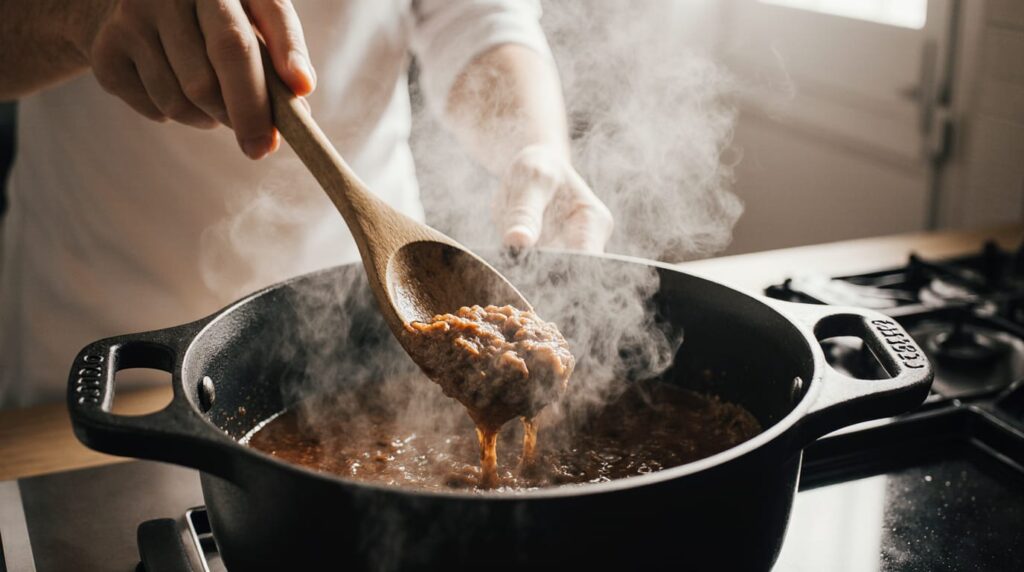
Heat 1 tablespoon of oil in a large, heavy-bottomed pot or Dutch oven over medium-high heat. Working in batches to avoid crowding, sear the beef on all sides until a deep, brown crust forms. This isn’t to cook it through—it’s to create the fond, those delicious browned bits at the bottom of the pot that are packed with flavor. Remove the beef and set aside.
Step 2: Build the Flavor Base
In the same pot, add another tablespoon of oil if needed. Reduce the heat to medium. Add your onion, carrots, and celery with a pinch of salt. Cook, stirring occasionally, for about 8-10 minutes until the onions are soft and translucent. Add the garlic and tomato paste and cook for 1 more minute until fragrant.
Step 3: The Grand Simmer
Return the seared beef and any accumulated juices to the pot. Pour in the beef broth and water, using your spoon to scrape up all that glorious fond from the bottom. Add the diced tomatoes (with juice), bay leaves, thyme, rosemary, and Worcestershire sauce. Bring to a boil, then immediately reduce the heat to low. Cover and let it simmer gently for 1.5 hours.
This patience is the key to tender beef. A rapid boil will make the meat tough.
Step 4: Add the Remaining Vegetables
After 1.5 hours, your beef should be fork-tender. Now, add the potatoes and green beans. Return to a simmer, cover, and cook for another 20-25 minutes, until the potatoes are just tender. In the last 5 minutes, stir in the frozen corn.
Step 5: The Final Adjustments
Fish out and discard the bay leaves (and thyme sprigs/parmesan rind if used). Taste your masterpiece. This is where you make it your own. Does it need more salt? A few cracks of black pepper? A splash more Worcestershire for depth? Adjust now. Let it sit, off the heat, for 10-15 minutes before serving—this allows the flavors to marry perfectly.
5 Pro Tips That Will Transform Your Soup Game
- The Brown vs. Gray Beef Rule: Don’t skip the sear! Gray, boiled beef will never develop the rich flavor that properly browned pieces provide.
- Low and Slow is the Way to Go: A gentle simmer, not a rolling boil, is what breaks down the connective tissue in the chuck roast, making it tender.
- Acid is Your Friend: The acidity from the tomatoes and Worcestershire sauce brightens the rich broth and helps tenderize the meat.
- Salt in Stages: Season the beef before searing, and then again at the end. Broths reduce, and saltiness concentrates.
- The Overnight Advantage: Like many great stews and braises, this soup tastes profoundly better on day two.
How to Customize Your Vegetable Beef Soup
This vegetable beef soup recipe is incredibly forgiving. Raid your crisper drawer!
- Gluten-Free: It’s naturally gluten-free—just ensure your broth and Worcestershire sauce are certified GF.
- Lower-Carb: Swap potatoes for turnips or radishes, and omit the corn.
- Extra Hearty: Add ½ cup of pearled barley with the potatoes (note: it will absorb more liquid, so you may need extra broth).
- Italian Twist: Use Italian seasoning, add a can of cannellini beans, and finish with a sprinkle of fresh parsley and grated Parmesan.
- Spicy Kick: Add a pinch of red pepper flakes with the garlic, or stir in a diced jalapeño.
What to Serve With Your Soup (Beyond Crackers)
While a crusty loaf of no-knead artisan bread is a match made in heaven, here are other ideas:
- A simple green salad with a sharp vinaigrette to cut the richness.
- A grilled cheese sandwich for the ultimate comfort meal.
- A dollop of prepared horseradish or pesto on top for a flavor burst.
Storing and Reheating: Your Future Self Will Thank You
- Refrigerator: Cool completely and store in an airtight container for up to 4 days.
- Freezer: Portion into freezer-safe containers or bags, leaving an inch for expansion, for up to 3 months. Thaw overnight in the fridge.
- Reheating: Gently warm on the stovetop over medium-low heat, adding a splash of broth or water if it has thickened too much. The microwave works in a pinch, but stir frequently.
Frequently Asked Questions (FAQs)
1. Can I make this vegetable beef soup recipe in a slow cooker?
Absolutely! Sear the beef and sauté the aromatics (onion, carrot, celery) in a skillet first for best flavor. Then, transfer everything except the potatoes, green beans, and corn to the slow cooker. Cook on LOW for 7-8 hours or HIGH for 3-4 hours. Add the remaining veggies in the last 45-60 minutes of cooking.
2. Why is my soup broth cloudy?
Cloudiness usually comes from two things: 1) Not patting the beef dry before searing, which causes it to steam, or 2) boiling the soup too vigorously after adding the beef. A gentle simmer is key for a clear, beautiful broth.
3. Can I use ground beef instead of stew meat?
You can, but it will be a different (still delicious) soup. Brown 1.5 lbs of ground beef, drain excess fat, and add it back with the broth. Since it doesn’t need long cooking to tenderize, you can add all vegetables at once and simmer for just 30-40 minutes until they’re tender.
4. My soup tastes bland. What can I do?
Time and salt are usually the fix! Let it simmer a bit longer to concentrate flavors. Then, season in layers: add salt, pepper, and a bit more Worcestershire sauce or a splash of red wine vinegar to brighten it. Remember, soups often need more seasoning than you think.
5. What are the best vegetables to add?
Root vegetables (potatoes, carrots, parsnips), hearty greens (chopped kale or spinach added in the last 5 minutes), and legumes (canned, drained kidney beans) all work wonderfully. Avoid delicate veggies like zucchini until the very end.
6. How can I thicken my vegetable beef soup?
For a slightly thicker broth, you can make a beurre manié: mash together 1 tablespoon each of softened butter and flour into a paste. Whisk small bits into the simmering soup until dissolved and cook for 5 more minutes. Alternatively, mash a few of the cooked potatoes against the side of the pot.
7. Is this soup healthy?
Yes! It’s a balanced meal with lean protein, a variety of vitamins and minerals from the vegetables, and fiber. Using low-sodium broth allows you to control the salt level. The Academy of Nutrition and Dietetics emphasizes soups as an excellent way to increase vegetable intake.
Conclusion: Your Pot of Comfort Awaits
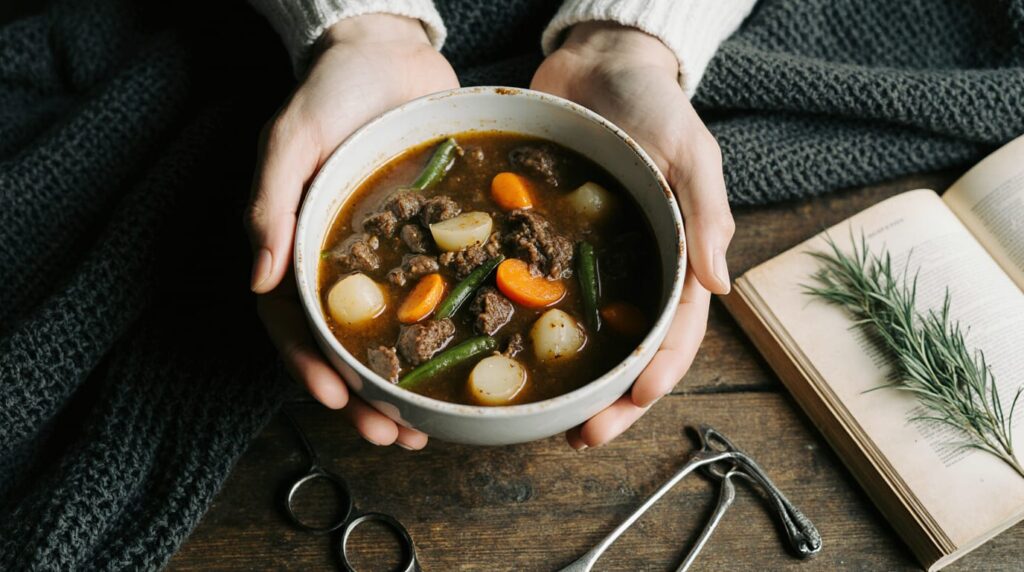
There you have it—not just a vegetable beef soup recipe, but a roadmap to creating a classic, comforting dish that nourishes both body and soul. This soup is more than food; it’s a feeling. It’s the promise of warmth on a cold day, the satisfaction of creating something wholesome from scratch, and the joy of sharing a steaming bowl with people you love.
The beauty of this recipe is that once you master the basic method—sear, sauté, simmer—you can adapt it forever with what’s in season or what’s hiding in your pantry. You’ve got this.
So, what are you waiting for? Grab that Dutch oven, and let’s make your kitchen smell incredible.
I can’t wait to hear how your soup turns out! Did you add your own twist? What’s your favorite vegetable combo? Share your stories, photos, or questions in the comments below. Let’s build a community of soup lovers together!